

Modern methods of construction: what they are, and why Ireland is investing
Not long ago, "modern methods of construction" was a phrase you met in industry conference programmes and nowhere else. Today it appears in Government housing policy, Department circulars and county development plans. If you procure, specify or plan buildings in Ireland, MMC is now part of your vocabulary — so it is worth being precise about what it means.
A family of methods, not one
MMC is an umbrella term for construction approaches that move work away from the building site and into controlled manufacturing environments. The UK's widely used framework describes seven categories, and the ones that matter most in the Irish conversation are the first two: 3D volumetric construction, where complete room-sized modules are manufactured, fitted out and then assembled on site; and 2D panelised systems, where wall, floor and roof panels are factory-made and erected on site.
Volumetric construction — the approach Lidan works in — carries the most work offsite. A module can leave the factory with its insulation, airtightness layer, windows, wiring, plumbing and internal finishes complete. What happens on site is assembly and commissioning, not construction in the traditional sense.
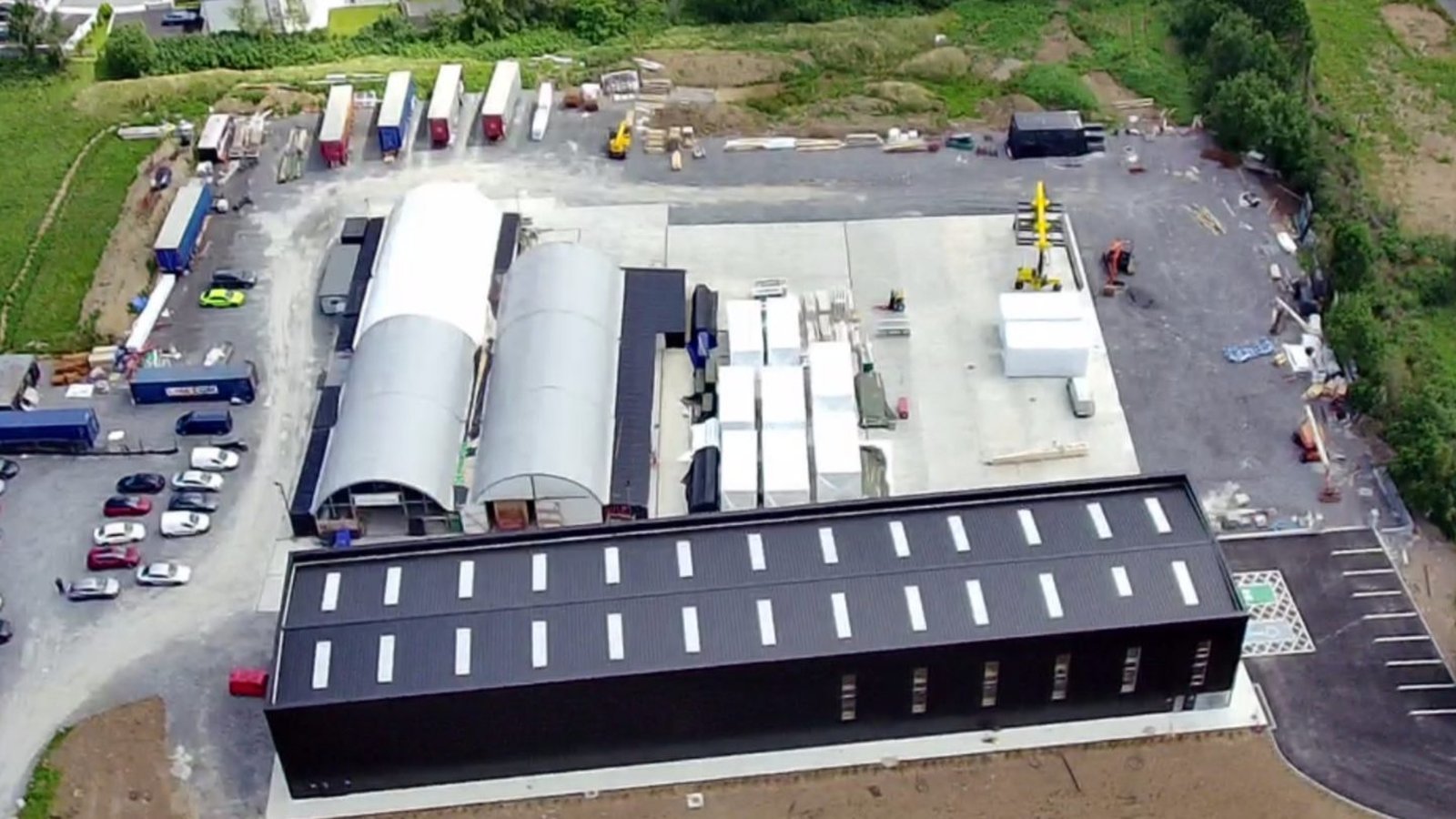
Why the State is interested
The Government's Roadmap for Increased Adoption of Modern Methods of Construction in Public Housing Delivery and the cross-government MMC initiative both point at the same problems: Ireland needs more buildings, faster, with a construction workforce that is not getting bigger, to energy and carbon standards that are getting tighter.
Factory methods answer each part of that equation. Programme times shorten because groundworks and manufacture happen in parallel and weather stops mattering. Labour productivity rises because a factory team builds continuously instead of remobilising site by site. And performance standards — airtightness above all — are far easier to achieve on a factory floor than up a ladder in the rain.
What experience suggests
Our own projects illustrate the arithmetic. A modular school building for St Patrick's College in Cork was erected to roof level in a single day. A house extension for Longford County Council took one week on site. A fully factory-finished dwelling for Dún Laoghaire–Rathdown County Council went from design to handover in three weeks. None of these programmes would be conceivable with traditional methods.
The lesson for public bodies is not that factories are magic — it is that moving risk indoors changes what can be promised. When 92% of a building is complete before it reaches the site, the remaining 8% is very hard to delay.